Acupuncture & TCM in Calgary
Ancient wisdom. Modern care.
Acupuncture is the main modality of my practice, guided by the broader framework of Traditional Chinese Medicine. Other modalities may be included in your therapy session where appropriate.
01 · Main modality of Traditional Chinese Medicine
Acupuncture
In TCM, acupuncture guides Qi through the meridians to harmonize Yin–Yang, regulate organ systems, and balance body and mind. As a neuromodulation therapy, it uses precise needle stimulation to regulate the nervous system, reduce inflammation, improve circulation, and restore normal physiological function.
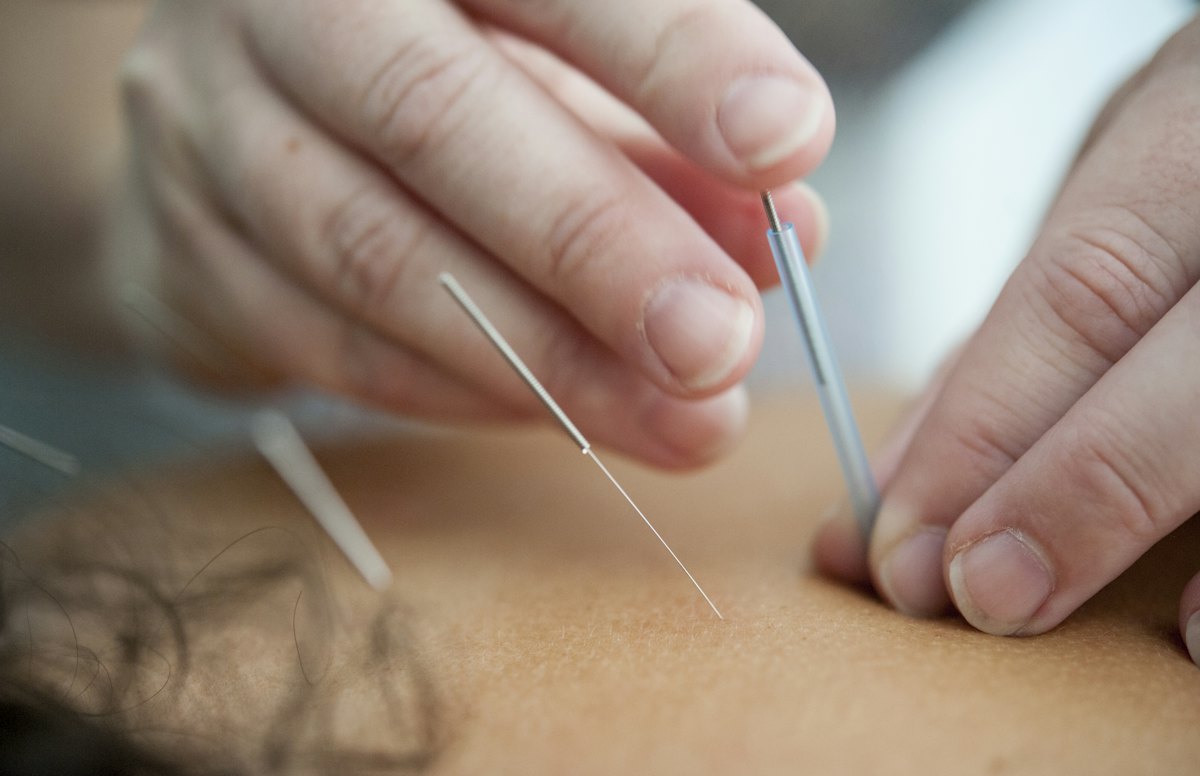
Fine, single-use needles
Acupuncture needles are much finer than those used for injections. Sterile, single-use needles are used and discarded after treatment.
Individualized treatment
There is no single standard treatment. I select points based on your assessment, your goals and how you respond over time.
What it may feel like
Many people notice a brief pinch, or a dull, heavy or tingling sensation; others feel very little. Experiences vary, and you can ask to pause or adjust at any time.
Main TCM modalities used
Acupuncture, cupping and tuina
Acupuncture
 Acupuncture
Uses hair-thin, sterile needles inserted at specific points along meridians to restore energetic balance. In traditional terms, this restores the smooth flow of Qi and corrects disease-causing imbalances.
In Western biomedical terms, acupuncture regulates nerve activity by stimulating peripheral nerves, influencing the central and autonomic nervous systems, circulation, and connective tissue function.
As the main modality of Traditional Chinese Medicine (TCM), acupuncture is used to regulate internal function, relieve acute and chronic pain, reduce stress, and support vitality. It also addresses emotional disorders and digestive, respiratory, and neurological conditions, among other concerns.
Cupping Therapy
 Cupping Therapy
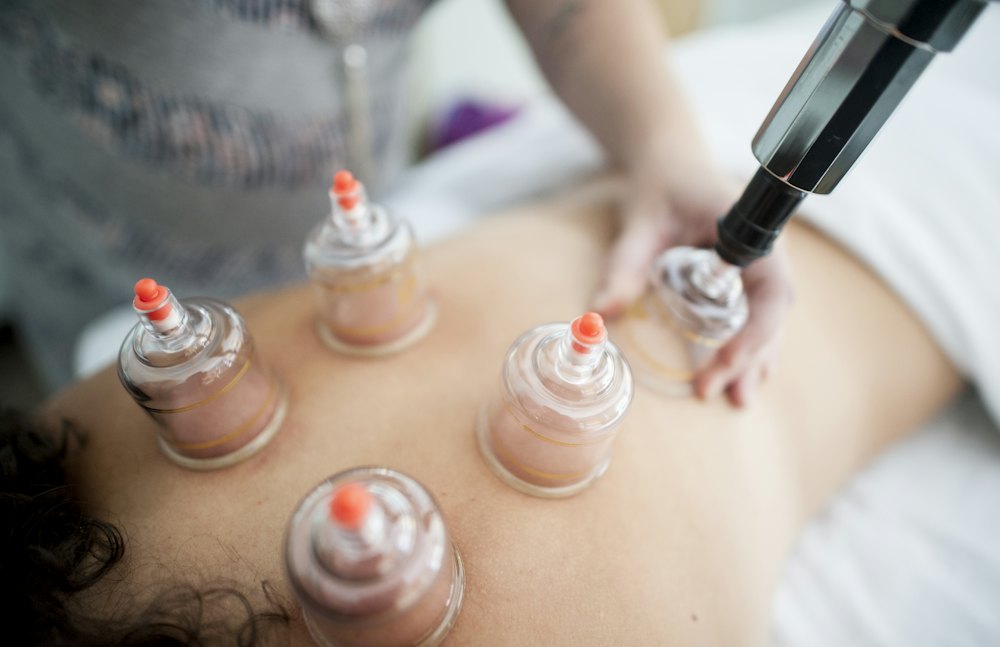
A Chinese therapy that places cups on the skin to create suction. In traditional terms, cupping moves Qi and Blood and clears stagnation. In Western terms, it lifts fascia, balances forces, and moves fluid, changing how fascial layers glide, hydrate, and transmit tension. This improves capillary perfusion, blood circulation and lymph flow, relaxes muscles, and reduces pain.
Be aware that circular bruising usually is a temporary local secondary effect. Types include fire, moving, bleeding, and dry cupping. The chosen technique is based on strict professional criteria.
Tuina
 Tuina
A clinical manual therapy based on Traditional Chinese Medicine principles using pushing, rolling, grasping, pressing, shaking, and rubbing. Traditionally, it aims to move Qi, clear stagnation, open channels, activate meridians, and calm Shen. In Western terms, it aims to ease pain by warming tissues and relaxing fascia, improving blood circulation, and soothing the emotional component of the central nervous system. Abdominal application aims to support digestive organs’ function.
02 · The framework
Traditional Chinese Medicine
A system of health care developed over many centuries, which uses its own traditional concepts to understand patterns in a person’s health and to guide treatment.
A whole-person assessment
Your main concern is considered alongside sleep, stress, digestion, energy and daily routine.
How I use it
TCM informs how I assess and plan individualized care, with clear explanations and an evidence-informed perspective.
03 · Other modalities
Other modalities that can be used in your therapy session include
They are not part of every treatment and are never combined automatically. I may suggest one where appropriate, based on your assessment and comfort.
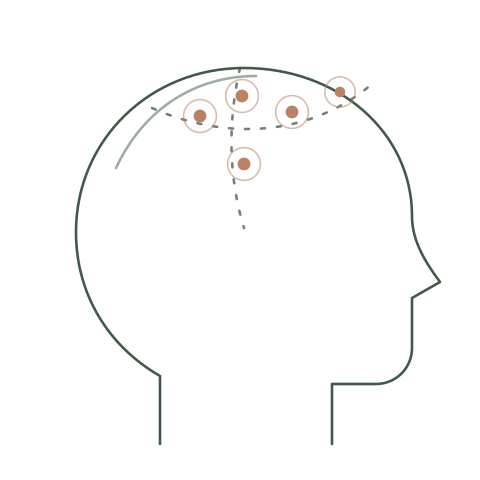
Scalp Acupuncture
 Scalp Acupuncture
 is a specialized acupuncture microsystem that targets functional scalp zones to influence brain activity, motor control, sensory integration, and neurological recovery. Described as one of TCM’s most powerful modalities, it is used for stroke rehabilitation, paralysis, neuropathy, pain, and conditions including Parkinson’s disease, fibromyalgia, migraine, and multiple sclerosis.
In Western neurophysiological terms, its proposed effects involve the motor, sensory, and prefrontal cortices and speech centers, promoting neuroplasticity, cerebral blood flow, and somatotopic pathway activity. It also supports treatment of cognitive and psychological concerns, including anxiety, PTSD, ADHD, insomnia, and cognitive decline.
Auricular Acupuncture
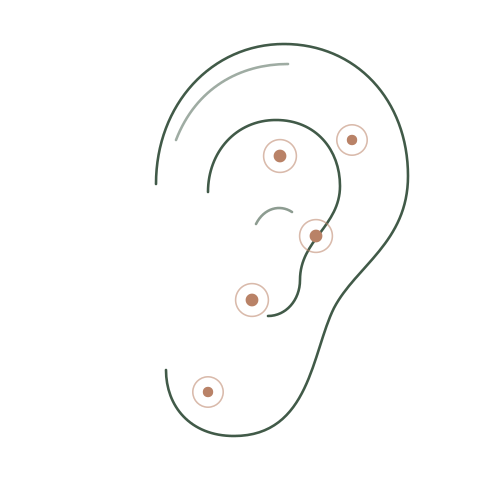
 Auricular Acupuncture
A Traditional Chinese Medicine microsystem that stimulates specific ear points to address the whole body. Its proposed effects on pain, organ function, mood, sleep, addiction, and autonomic regulation are attributed to the ear’s dense nerve network, meridian connections, and reflex zones.
Treatment uses needles during the session, followed by ear seed therapy: seeds secured with small adhesive patches provide continuous, mild pressure. Patients can also self-stimulate these points throughout the day by gently pressing the seeds.
Reflexology
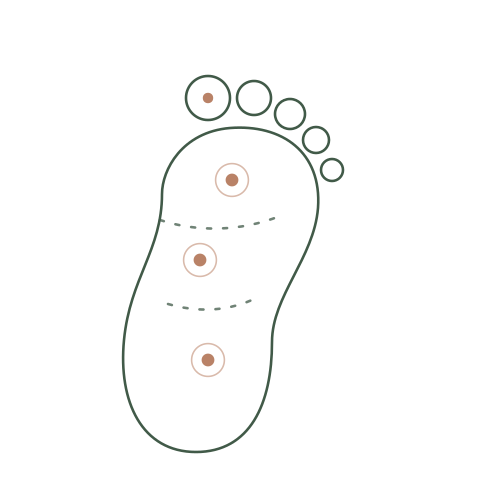
 Reflexology
A Chinese therapy using targeted pressure on points of the feet, hands, and ears believed to correspond to the body’s organs and systems. It aims to boost relaxation, support overall well-being, and help the body function more efficiently.
TCM Herbal Medicine
 TCM Herbal Medicine
Herbal medicine in TCM uses plant, mineral, and animal substances—combined into formulas—to restore balance, regulate Qi, Blood, Yin, and Yang, and treat both root causes and manifesting symptoms of disease. It is a functional medical system, not simply botanical supplementation. The formulas may modulate metabolic function and endocrine-neurochemical balance, and have an anti-inflammatory effect.
Gua Sha
 Gua Sha
A Traditional Chinese Medicine technique using a smooth-edged tool to scrape the skin, promote circulation, relieve pain, release stagnation, and expel pathogenic factors. It is described as highly effective for musculoskeletal tension in the neck, shoulders, and lower back, as well as plantar fasciitis, inflammation, early-stage colds, and stress-related conditions. Treatment may leave temporary red marks on the skin.
Mud Therapy
 Mud Therapy
Medicinal muds—clay, peat, volcanic ash, or mineral mud—are blended with warming Chinese herbs, such as ginger or moxa extracts, then warmed and applied to specific body areas. This therapy targets cold syndromes associated with menstrual or fertility conditions, or joint stiffness.
Common concerns
Reasons people seek assessment and support
Patients commonly come to me for support with the concerns below. Care is individualized based on each patient’s needs, and suitability depends on an assessment.
Pain & Chronic Pain
Patients commonly seek acupuncture for back pain, as well as neck, joint and other ongoing or recurring pain.
Stress, Anxiety & Burnout
Support for stress, anxiety and burnout, and the ways they can show up in sleep, mood and daily life.
Digestive Health
Support for digestive discomfort, considered within the whole picture of your health.
Musculoskeletal Concerns
Muscle and joint concerns such as stiffness and strain, often alongside physiotherapy or other care.
Neurological Support
Supportive care that may complement the medical care you already receive, discussed through an individual assessment.
Hormonal & Metabolic Health
Support for hormonal and metabolic concerns, considered within the whole picture of your health and alongside your medical care.
Injury Prevention & Recovery
Support while recovering from an injury, and care aimed at keeping you active and helping prevent the next one.
General Wellness
Ongoing care for people who want to look after their overall health and wellbeing.
Acupuncture is not a replacement for medical care. If you are unsure whether it may be appropriate for you, I am happy to discuss your situation, including when another provider may be a better fit.